
Brake Maintenance
|
Brake pads (sometimes called “brake shoes”) are what rub against your rims to provide stopping power when you squeeze the brakes. This rubbing action means that the pads require occasional maintenance to function optimally. And also, that the pads will wear out after a while and need to be replaced. Here are our guidelines for keeping your brake pads in tip-top shape. |
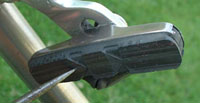 remove any rubber deposits or grimy build up. Then wipe the surfaces of the brake pads to clean them.
 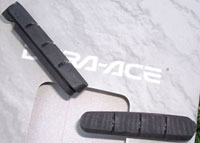 they once did. This is a sign that it’s time for new pads to restore your braking. Don’t put off this important maintenance because when the pads wear down all the way, you’ll have no braking power, which is dangerous. In some cases, when the pad is worn out, the metal pad holder contacts the rim and it will only skid along the slick surface of the rim providing little grip and no braking power.
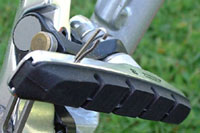 because it simply slips into the holder and you’re good to go. Bolt-on pads must be aligned during installation, which requires practice to get right.
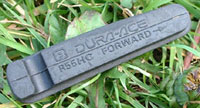 one to the old one to make sure it’s oriented correctly (it's always best to replace one pad a time so you can compare the new one with the one still in place).
 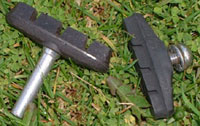 bolt holding it in place (remove it if necessary), take out the old pad and insert a new one. Then, carefully align the pad so that it strikes the rim squarely when the brake is applied.
 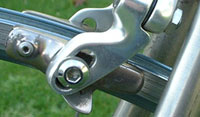 they contact the rim correctly. Ideally, the entire flat surface of the brake pad will contact the rim when you brake.
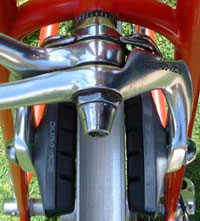 pads. With cartridge pads, the toe-in will be there once you replace the pad. With bolt-on types, however, you'll lose the setting when you install the new pad. So, you'll have to set it during alignment.